The short answer
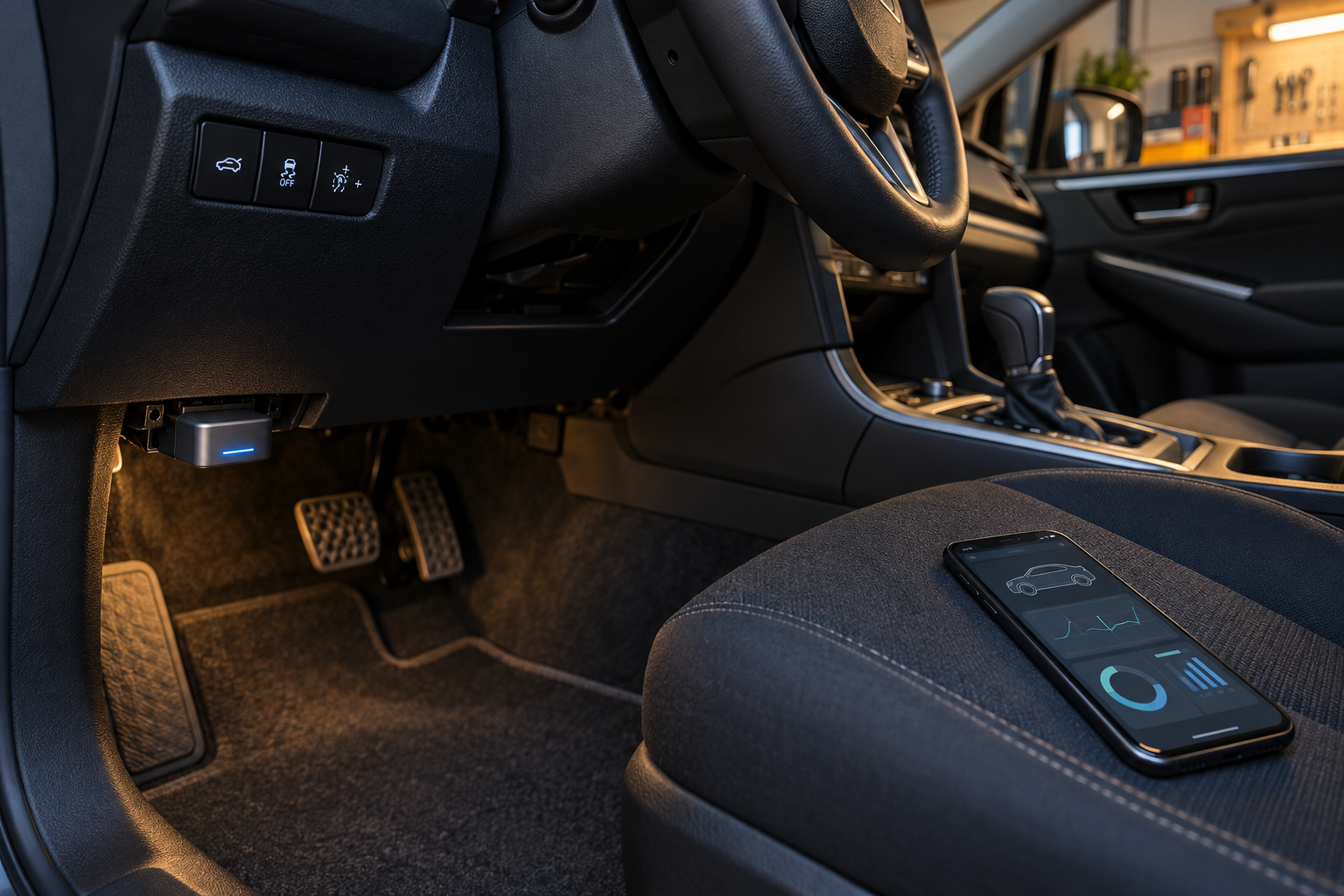
BlueDriver is a strong fit for owners who want more context than a basic code reader and will verify enhanced-system coverage for their exact vehicle.
But the useful answer depends on what you mean by “better.” Better for travel can mean lighter; better at home can mean quieter; better value can mean fewer future accessories. The questions below narrow the definition.
Five questions to ask
Who is this really for?
The clearest matches are diy-minded vehicle owners and drivers who want readable reports without a subscription. That describes use cases, not a universal ranking.
Which specification deserves attention?
Works with OBD2-equipped vehicles but feature depth varies should be verified first. Treat it as a filter, not a promise of overall quality.
What is easy to overlook?
The app can organize useful vehicle data, but a code and suggested cause do not replace inspection, testing, or a qualified repair diagnosis. Recurring friction usually matters more than an extra mode used twice a year.
How should alternatives be compared?
Use the same model generation, included accessories, measurement conditions, and seller terms. Otherwise the comparison can look precise while answering the wrong question.
What would make us wait?
Unclear compatibility, unavailable consumables, vague warranty coverage, or a price driven by a bundle you do not need are all good reasons to pause.
Now inspect the ownership details
The purchase is only the first interaction. Map the first month: setup, placement, charging or power, cleaning, storage, software, and replacement parts. A product that adds a small chore every day needs to deliver a benefit just as often.
- Works with OBD2-equipped vehicles but feature depth varies
- Enhanced diagnostics are make and model dependent
- Uses a compatible iOS or Android device
- Reading or clearing a code does not repair its cause
Our view is based on published specifications, manufacturer documentation, and category research. Where we have not performed hands-on testing, we do not imply that we have.
The deeper read
BlueDriver OBD2 Scanner review in context
The follow-up questions become more concrete when the category is examined through four practical lenses.
Installation is part of performance
In a vehicle, a specification cannot be separated from placement. Screen glare, windshield angle, mirror controls, cable routing, camera position, available power, and the driver’s sight line all influence the result. Check that safety systems, airbags, controls, and visibility remain unobstructed. If professional installation is recommended, include it in the budget rather than treating it as an afterthought.
Weather changes the calculation
Heat, cold, vibration, rain, and low light make the car a demanding environment for electronics. Published operating limits and parking-mode requirements matter more than they would on a desk. Review storage-media guidance, battery-protection features, mounting adhesives, and the method used to power equipment while the vehicle is off.
The interface must disappear
A useful driving accessory should reduce decisions once the trip begins. Controls, reconnection, alerts, and display brightness need to be predictable enough that they do not compete for attention. Configure the product while parked, learn how it fails, and know how to restore the basic function without troubleshooting on the road.
Keep evidence in context
Resolution, coverage, and maximum output figures can be meaningful, but conditions shape the result. A larger number cannot guarantee readable night footage, dependable wireless behavior, or faster emergency work. Look for documentation that explains the conditions behind the claim and compare the same operating mode across alternatives.
How to read this assessment
A research-led review is most useful when it draws a firm boundary around the evidence. For bluedriver obd2 scanner review: what it can—and cannot—tell you, we can examine documented design, stated compatibility, intended use, ownership requirements, and how those pieces compare with the norms of the category. We cannot turn those sources into invented battery tests, sound measurements, cleaning results, or first-person impressions. That limitation does not make the exercise empty; it changes the question from “Did we enjoy it?” to “Does the documented proposition make sense for this buyer?”
Use the conclusion as a shortlist decision, then verify the variables that depend on an individual environment. A vehicle angle, room shape, phone case, counter layout, hand size, operating system, or local seller can change the outcome. Look for independent testing when a measurable performance claim is central, and give more weight to reviews that show methods and comparison conditions. Confidence should rise with transparent evidence, not with the intensity of the language.
If the product reaches your shortlist, plan a deliberate first week. Confirm every included piece, follow the official setup guidance, and test the functions tied to your main use case while the return period is open. Keep packaging until fit and compatibility are settled. A good review helps you form the right test; it should never ask you to ignore your own result.
Final answer
The app can organize useful vehicle data, but a code and suggested cause do not replace inspection, testing, or a qualified repair diagnosis.
If that compromise is acceptable in your primary use case, the product belongs on the shortlist. If not, a longer feature list will not rescue the fit.
Product links